I am pleased to announce the release of my latest CD, Idy Mae's Full Moon and Other Stories and Songs.
The CD has stories from my husband's childhood in a West Virginia coal camp along with tall tales and songs. It's guaranteed entertainment for the whole family.
You may buy directly from me, or wait a few days and it will also be available on CDBaby and Amazon. Price is $15.00 (with free shipping if you buy from me!) Just click on this link to my other blog, Granny Sue's News and Reviews, and click on the Buy Now button on the right, or email me at susannaholstein@yahoo.com and I can send you particulars.
Another CD of ghost stories is in the works and should be ready for release in about 6 weeks, so stay tuned!
Don't miss my posts at http://www.grannysu.blogspot.com/
Showing posts with label Storytelling. Show all posts
Ghostly Wanderings: The Storytelling Trail
Ghost stories season is beginning to wind down but it's been a busy time the past week for this tale teller.
Last weekend I presented two ghost walks in Ripley, WV, a mile-long stroll through stories of "mystery and history," as the director of the local Convention and Visitors Bureau called it. The walks are sponsored by the CVB and have become a popular annual tradition. Each year I research new stories to add and new tidbits from history to enhance the walk because many people return for the walk each year.
The ghost walk was followed by a drive across West Virginia to the eastern county of Grant, where I told stories at the Grant County Library in Petersburg. A crowd of 50 turned out for the Monday night event. The audience included everyone from small children to senior citizens, so I had stories for all ages in my program.
While in Grant county, we took time to visit the Dolly Sods Wilderness area, one of West Virginia's most beautiful scenic areas. It was a very windy day and we had to be careful as we ventured onto the rocks to be sure we weren't blown over the edge!
I remember when we camped on Dolly Sods about 15 years ago. An elderly gentleman camped nearby told us that he was one of the Dolly family for whom the rocks are named. Dolly Sods is known for its abundance of wild blueberries and huckleberries, which attract both humans and bears in the summer months.
This gentleman said that when he was a boy they often spent days on the mountain picking berries, and that every 4 years or so someone would set fire to the mountain. Why? I asked. Well, he said, the brush would get to growing and crowding out the berry patches, so they'd burn it off to let the berry plants grow. That practice had to stop once the government took over management of the land. This reminded me of stories about the Native Americans burning off land so that the blackberries would come back in thicker and better.
We left to drive to central West Virginia for storytelling at a school in a small community that was a victim of the terrible June "thousand-year" flood. I had a great time telling tales at Birch River Elementary. I think the best--and most touching--part of the day was being interviewed by two 5th grade students. One of their first questions was, "Were you presonally affected by the floods?" They went on to describe some of the damage in their area. I did not suffer any damage to my home from the flood, but in this state we're all family, and what hurts one hurts us all. Thank you, boys, for reminding me of that.
In the few days remaining in this month I'll be storytelling at three more schools: for eighth grade students in Kanawha county, high school students in Putnam county, and elementary students in the northern panhandle town of Follansbee. I finish up with an evening of ghost stories at the south Parkersburg library.
It's been a good month telling my favorite kind of story! Check out my upcoming performances here, and maybe I will see you at an event in the near future.
Last weekend I presented two ghost walks in Ripley, WV, a mile-long stroll through stories of "mystery and history," as the director of the local Convention and Visitors Bureau called it. The walks are sponsored by the CVB and have become a popular annual tradition. Each year I research new stories to add and new tidbits from history to enhance the walk because many people return for the walk each year.
![]() |
| Over 100 people came out Saturday night for the ghost walk |
The ghost walk was followed by a drive across West Virginia to the eastern county of Grant, where I told stories at the Grant County Library in Petersburg. A crowd of 50 turned out for the Monday night event. The audience included everyone from small children to senior citizens, so I had stories for all ages in my program.
While in Grant county, we took time to visit the Dolly Sods Wilderness area, one of West Virginia's most beautiful scenic areas. It was a very windy day and we had to be careful as we ventured onto the rocks to be sure we weren't blown over the edge!
I remember when we camped on Dolly Sods about 15 years ago. An elderly gentleman camped nearby told us that he was one of the Dolly family for whom the rocks are named. Dolly Sods is known for its abundance of wild blueberries and huckleberries, which attract both humans and bears in the summer months.
This gentleman said that when he was a boy they often spent days on the mountain picking berries, and that every 4 years or so someone would set fire to the mountain. Why? I asked. Well, he said, the brush would get to growing and crowding out the berry patches, so they'd burn it off to let the berry plants grow. That practice had to stop once the government took over management of the land. This reminded me of stories about the Native Americans burning off land so that the blackberries would come back in thicker and better.
We left to drive to central West Virginia for storytelling at a school in a small community that was a victim of the terrible June "thousand-year" flood. I had a great time telling tales at Birch River Elementary. I think the best--and most touching--part of the day was being interviewed by two 5th grade students. One of their first questions was, "Were you presonally affected by the floods?" They went on to describe some of the damage in their area. I did not suffer any damage to my home from the flood, but in this state we're all family, and what hurts one hurts us all. Thank you, boys, for reminding me of that.
In the few days remaining in this month I'll be storytelling at three more schools: for eighth grade students in Kanawha county, high school students in Putnam county, and elementary students in the northern panhandle town of Follansbee. I finish up with an evening of ghost stories at the south Parkersburg library.
It's been a good month telling my favorite kind of story! Check out my upcoming performances here, and maybe I will see you at an event in the near future.
October Schedule: Lots of Ghostliness
October is filling up with ghosties! I hope I will see you at one of these events:
October 6: Ripley, WV Middle School full day storytelling
October 10: Tamarack, tour group presentation. Private event.
October 11: Philippi Library, Philippi, WV. WV Ghost Stories, 4:00 for Teen Read Week
October 12-13: West Virginia Storytelling Festival, Weston, WV. Schools event and evening public performance.
October 15: Apple Butter Making at my house!
October 17: Mountaineer Tours, Tamarack, Beckley, WV. Private event.
October 21: Road Scholars presentation, Beckley, WV 9 am
October 21-22: Ripley Ghost Walk, 8pm each evening.
October 25: Grant County (WV) Library, Ghost Stories tentative
October 28: Hurricane High School, Hurricane, WV. Storytelling and workshop
October 31: Jefferson Elementary, Follansbee, WV. Ghost stories all day
October 31: South Parkersburg (WV) Library, Ghost stories, 6:30pm
Til then, happy haunting!
October 6: Ripley, WV Middle School full day storytelling
October 10: Tamarack, tour group presentation. Private event.
October 11: Philippi Library, Philippi, WV. WV Ghost Stories, 4:00 for Teen Read Week
October 12-13: West Virginia Storytelling Festival, Weston, WV. Schools event and evening public performance.
October 15: Apple Butter Making at my house!
October 17: Mountaineer Tours, Tamarack, Beckley, WV. Private event.
October 21: Road Scholars presentation, Beckley, WV 9 am
October 21-22: Ripley Ghost Walk, 8pm each evening.
October 25: Grant County (WV) Library, Ghost Stories tentative
October 28: Hurricane High School, Hurricane, WV. Storytelling and workshop
October 31: Jefferson Elementary, Follansbee, WV. Ghost stories all day
October 31: South Parkersburg (WV) Library, Ghost stories, 6:30pm
Til then, happy haunting!
Family and Stories
![]() |
| Ernest Thomas Hagger, courtesy of Julie Day |
Family is really the heart of our lives, and of our stories. The stories I tell often reflect my upbringing--values, morals, ethics, and just as often might be about my family.
The new story I am working on is about a grandfather I never knew but who is now as real to me as I'd sat on his lap, thanks to the diligent work of my cousin Julie in England.
So many stories are hidden in our genealogy. And yet many of us wait until those who might know about the people and events of past generations are gone too. We are fortunate that one aunt is still living and still remembers. Find that one in your family, and ask the questions now, before the answers are buried with your elders.
Christmas Lore: The Christmas Tree
Good morning!
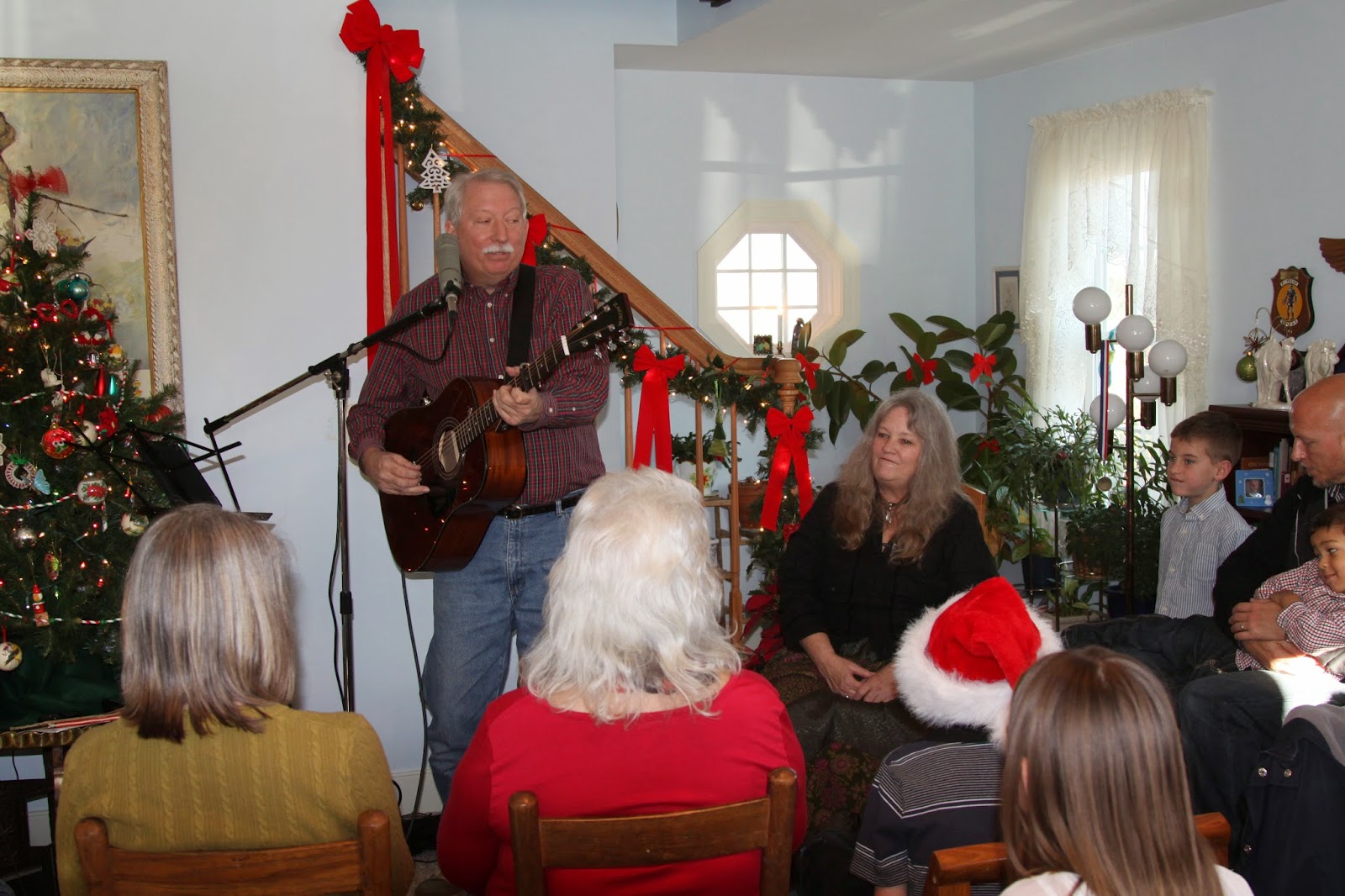
I spent some time reading up on the history of the Christmas tree this morning while I drank my tea. My friend Jeff and I are putting together our Christmas carols program and adding new material for this year's presentations. I always enjoy the research as we prepare the songs and stories each year.
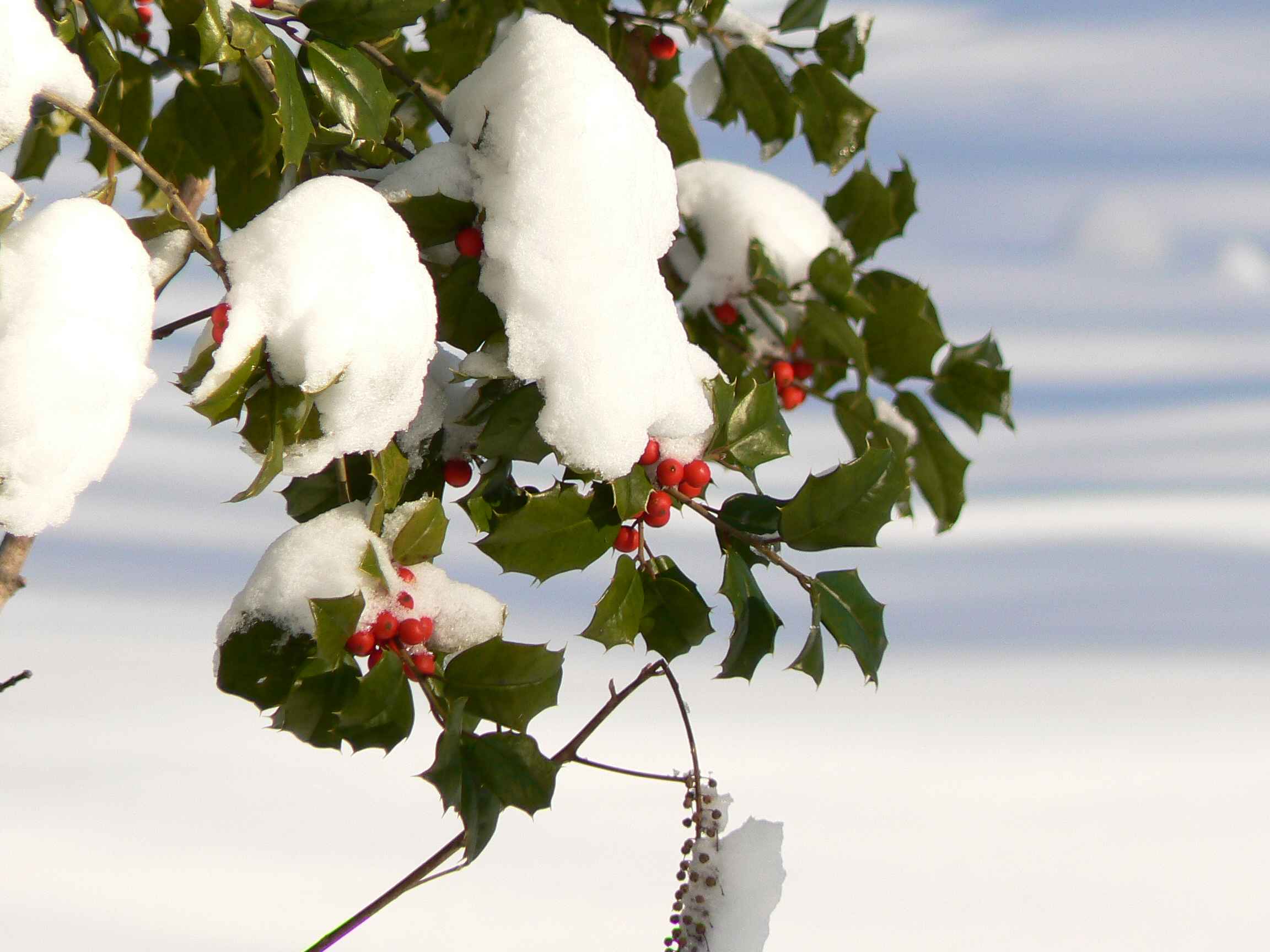
The tree is another example of the blending of earlier pagan beliefs with the symbols and beliefs of Christianity as this "new" religion. Mistletoe, holly, a Solstice/winter celebration, the Yule log and many other aspects of earlier traditions found their way into the rituals associated with the celebration of Christ's birth. Early missionaries often found ways to link the old ways to their teachings.
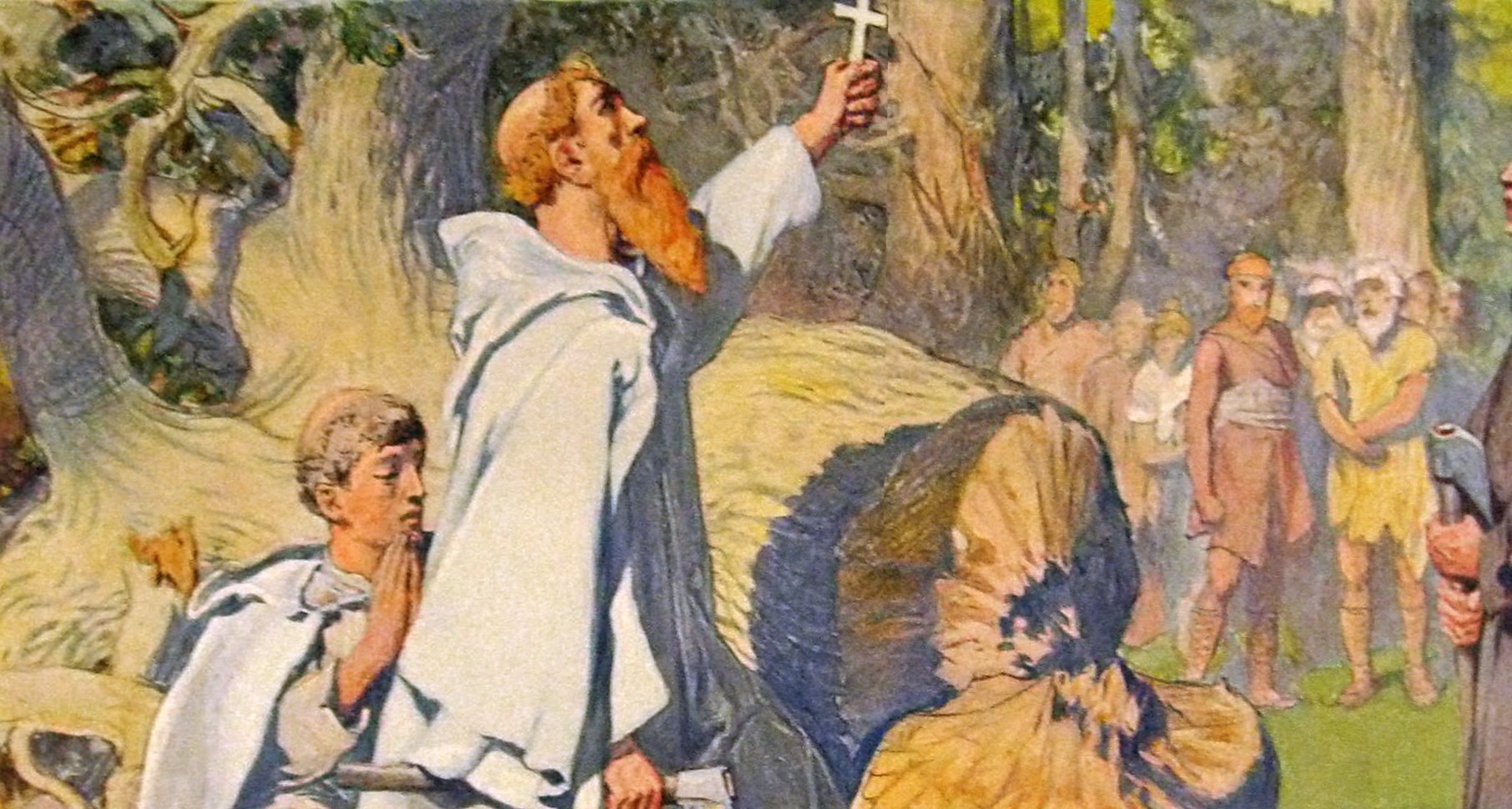
The legend of Saint Boniface is one good example. According to the story, Boniface came upon a group of pagans preparing a human sacrifice at their sacred oak, called Donar's Oak. Boniface took an axe and struck a blow at the tree, which immediately fell. He then pointed to an evergreen as a symbol of the everlasting life promised by the religion he brought to them.
The custom of a decorated and lighted evergreen began in Germany, beginning with a pyramid made of wood and lighted with candles and decorated. Since it was also the custom to bring a small evergreen inside for greenery in the winter months, it's not difficult to see how the lights and decorations moved from thelichshtock to the evergreen (usually a fir). The idea did not reach American shores until the Victorian era, making its way from Germany to England first. In many instances, the greenery was simply an evergreen bough places on a table and decorated.
Some years I have a real tree, others years we have an artificial tree, but always I bring in live greenery to decorate my house, continuing the old tradition of "bringing in Christmas."
There is nothing like the scent of pine to make me feel the season is truly here. I won't do it just yet, though, because the greens will dry out, and it's still too soon to be decorating in my opinion. I prefer to wait until we've enjoyed Thanksgiving, and then move gradually into the next season. But working on the carols program puts me in the holiday mood, and makes me look forward to the pleasures on the way.
I spent some time reading up on the history of the Christmas tree this morning while I drank my tea. My friend Jeff and I are putting together our Christmas carols program and adding new material for this year's presentations. I always enjoy the research as we prepare the songs and stories each year.
The legend of Saint Boniface is one good example. According to the story, Boniface came upon a group of pagans preparing a human sacrifice at their sacred oak, called Donar's Oak. Boniface took an axe and struck a blow at the tree, which immediately fell. He then pointed to an evergreen as a symbol of the everlasting life promised by the religion he brought to them.
![]() |
| From The Christmas Tree by Daniel J. Foley, Chilton Company Book Division, NY: 1960. |
| My 2014 tree |
| My 2011 tree |
Bady House Concert: Ghosts! And Other Things That Go Bump in the Night
|
|
|
|
A Storytelling Photo Journal
It was a wild ride, and it was fantastic fun. I told stories from pretty much one side of West Virginia to the other, mixing ghost tales, ballads, stories for children with a few side trips along the way.
It started in Ripley. This was the Do You Believe? Ghost Walks in my county's seat, and we started right at the courthouse steps. This year we had between 150 and 200 people come out for the walks over two weekends, even though it was right chilly the second Saturday. Civil War ghosts, town legends, old murders, historic homes, and the town's beginnings in frontier America all contributed to the evenings' tales.
Sunday I packed and prepared for the week's travels, and I was on the road early Monday morning, heading to Saint Albans, followed by Charleston and then Dunbar, telling West Virginia ghost stories at libraries in Kanawha county. No photos, unfortunately, as I was traveling solo so had no trusty sidekick to snap pics for me.
Tuesday morning found me in Clendenin, the home of the first library I managed. It is always fun to return and see how vibrant this library still is in this small community on the Elk River. I left there and headed north and east to Shepherdstown, WV in the far eastern panhandle of our state, to tell stories for the Speak! Shepherdstown series hosted by storyteller Adam Booth. The audience was fabulous for this event--seasoned adult listeners who really support storytelling in their community. After the evening show I drove west and south once again to Weston to be ready for the start of the West Virginia Storytelling Festival that started the next morning.
This festival, held at Jackson's Mill, was excellent as always.
We told tales to about 1000 or more school children over two days, and participated in an evening storytelling concert for the public. Fun times!
This photo was taken in the WV Building--an unusual building built for a World's Fair and then brought back to WV. It's built of all the hardwoods found in our state.
The exterior of the WV Building, taken in the mist of early morning.
I left Jackson's Mill and headed south and west, taking the scenic route so I could once again visit two favorite places: Falls Mill and Bulltown.
Falls Mill is a small park on the site of a former mill, and Bulltown was the site of a Civil War skirmish.
West Virginia had no huge battles during the war but there were quite a few sizable skirmishes in the state. Bulltown was quiet when I stopped there, with no other visitors. There is an eerie feeling of going back in time in such a place when one is all alone. I almost felt the presence of the soldiers and family there.
Friday was booth day--we worked at Marietta to being new items to our spaces there. I'm afraid this booth was a little neglected lately while I've been on the road so much. It looked fine though, and we added a few new things. I'll post pics in a later post.
Then Saturday I drove to Cross Lanes for the last of my Kanawha county library performance series and then came back to Ripley for the Saturday night ghost walks. I was happy to see two people from the morning's program at Cross Lanes in attendance for the ghost walk--they drove a good ways to be there, bringing several friends with them.
I was kind of sad to see the end of this wild week of storytelling. I met so many people along the way, and West Virginia is wearing its beautiful fall coat so the drives were a treat in themselves.
Yesterday I unloaded my van, unpacked my suitcase, and then went over to Ravenswood to work on the booth there (pics coming in another post). And today? I think it's going to be a bit of a catch-up day, doing laundry, writing thank-you notes, paying bills, and all the mundane things that keep home running smoothly.
It started in Ripley. This was the Do You Believe? Ghost Walks in my county's seat, and we started right at the courthouse steps. This year we had between 150 and 200 people come out for the walks over two weekends, even though it was right chilly the second Saturday. Civil War ghosts, town legends, old murders, historic homes, and the town's beginnings in frontier America all contributed to the evenings' tales.
Sunday I packed and prepared for the week's travels, and I was on the road early Monday morning, heading to Saint Albans, followed by Charleston and then Dunbar, telling West Virginia ghost stories at libraries in Kanawha county. No photos, unfortunately, as I was traveling solo so had no trusty sidekick to snap pics for me.
Tuesday morning found me in Clendenin, the home of the first library I managed. It is always fun to return and see how vibrant this library still is in this small community on the Elk River. I left there and headed north and east to Shepherdstown, WV in the far eastern panhandle of our state, to tell stories for the Speak! Shepherdstown series hosted by storyteller Adam Booth. The audience was fabulous for this event--seasoned adult listeners who really support storytelling in their community. After the evening show I drove west and south once again to Weston to be ready for the start of the West Virginia Storytelling Festival that started the next morning.
This festival, held at Jackson's Mill, was excellent as always.
We told tales to about 1000 or more school children over two days, and participated in an evening storytelling concert for the public. Fun times!
This photo was taken in the WV Building--an unusual building built for a World's Fair and then brought back to WV. It's built of all the hardwoods found in our state.
The exterior of the WV Building, taken in the mist of early morning.
Falls Mill is a small park on the site of a former mill, and Bulltown was the site of a Civil War skirmish.
West Virginia had no huge battles during the war but there were quite a few sizable skirmishes in the state. Bulltown was quiet when I stopped there, with no other visitors. There is an eerie feeling of going back in time in such a place when one is all alone. I almost felt the presence of the soldiers and family there.
Friday was booth day--we worked at Marietta to being new items to our spaces there. I'm afraid this booth was a little neglected lately while I've been on the road so much. It looked fine though, and we added a few new things. I'll post pics in a later post.
Then Saturday I drove to Cross Lanes for the last of my Kanawha county library performance series and then came back to Ripley for the Saturday night ghost walks. I was happy to see two people from the morning's program at Cross Lanes in attendance for the ghost walk--they drove a good ways to be there, bringing several friends with them.
I was kind of sad to see the end of this wild week of storytelling. I met so many people along the way, and West Virginia is wearing its beautiful fall coat so the drives were a treat in themselves.
Yesterday I unloaded my van, unpacked my suitcase, and then went over to Ravenswood to work on the booth there (pics coming in another post). And today? I think it's going to be a bit of a catch-up day, doing laundry, writing thank-you notes, paying bills, and all the mundane things that keep home running smoothly.
House Concerts: A New Way to Entertain
Most of us plan parties or get-togethers of some kind during the year, and these events usually follow a similar path: munchies, liquid refreshments, perhaps dinner and music. But imagine adding a new twist: a storyteller to entertain your guests with tales wild and wonderful, true and maybe-true, outrageous and touching, humorous and uplifting.
House concerts have taken off across the nation as a different and enriching touch to the usual party. Storytellers, musicians and poets are finding the venue perfect for intimate, informal presentations of their work to audiences who may be new to their artform. For the host, a house concert bumps up their event a notch, making it not only an evening of fun but one that supports the arts. Concerts can be planned for family audiences or adult-only groups.
I have been lucky enough to be invited to present at several house concerts over the past two years. It is always a pleasure--good people, good refreshments, inviting surroundings and the opportunity to interact personally with small audiences of appreciative and attentive listeners. Many performers today are often able to book enough house concerts to enable them to travel across the country to distant events. The house concert is becoming a viable income source for many a struggling artist.
How does it work? It's simple enough. The host plans a party and invites his/her friends. How many depends on the space available but 15-40 seems to be the usual number. Food and beverages are provided by the host, and sometimes the event is a potluck with attendees also providing some of the refreshment. Each guest is asked for a "donation" of a specific amount, generally in the $10-$20 range. The money collected goes to the invited performer.
Where else can one attend a concert where they can interact with the performer and get quality, often homemade refreshments for that price? It's a great deal for everyone involved: the hosts have a great event for their friends with minimal effort and cost, the guests have a fine evening out, again at minimal cost, and the performers make enough, hopefully, to make it worth their while.
If you are interested in a house concert, get in touch and I'd be happy to discuss it with you. Call 866-643-1353 tollfree, or email me at susannaholstein@yahoo.com and let's get started talking about your event.
F is for Family
There are so many ways to interpret the title of this post.
I could talk about the importance of family stories and how these stories deepen our appreciation and understanding of our heritage. I could bemoan the loss of family time and communication as today's families speed along on widely different paths and seldom spend real time together.
I could talk about telling stories to family audiences, those performances when the audience ranges in age from newborn to ninety, when babies cry and toddlers wiggle and everyone has a great time listening. I could delve into the bag of stories that work for these audiences and why those tales work and how to modify a story so it too can be put into the family story bag.
I could talk about the family of storytellers and the ways we connect and support each other's work. I could extol the valuable assistance we offer each other through our listservs, Facebook pages, guilds and associations.
But I want to talk about the world family and how storytelling connects us all through universal themes, reminding us that we all share the same hopes, dreams, grief and joy. I see storytelling as an essential tool in the search for peace and understanding.
One of the stories I am telling this summer is based on Aesop's fable called The Bundle of Sticks, and it is a good example of how stories can connect us:
A father has five sons. Those boys do nothing but argue and fight all day, every day. The father is getting old and the continuous fighting is making him feel even older. He feels beaten down by harsh words and meanness. And he worries.
"I want to leave my farm to my sons to work together when I am gone," he thought. "But their arguing and fighting will surely cause them to lose their crops because they will never agree on when to harvest. The stock will be lost because they will argue over who should fix the fence. The buildings will fall into ruin because they will fight over which one should climb up to repair the roofs. Ah me, what am I to do?"
Finally one day the old father had an idea. He called his five sons to him and handed each of them a stick.
"Now," he said to the oldest son, "break your stick."
The son did so easily. The father moved to the second son, the third and so on. Each son easily broke the stick the father had given him.
"What's the point of this, Father? You're wasting our time with your foolish game!" the oldest son snarled.
"Maybe so, Son, maybe so. But before you leave, please take this bundle of five sticks and break it for me."
The oldest son grabbed the bundle and tried to break it. Sweat popped out on his forehead as he strained to break the bundle.
"Let me try!" said the second son. But he too was unsuccessful. All five sons tried to break the bundle but none of them could do it though they tried until their muscles were sore and their hands were blistered.
"My sons," said the old father, "you are like these sticks. Individually, you all will break but together you are strong. Work together and you and your families will prosper; continue fighting the way you have been, and you will surely be broken, and lose everything you own."
Whenever a storyteller begins a tale, the audience before them slowly merges into a family of listeners. Sharing a story brings people closer together, shared experience and emotion creating a bridge that crosses over the divides of gender, age, race, economic levels, religious beliefs and politics. I cannot think of anything other than art that can have this impact on a diverse group, and of all the arts storytelling is the most personal, the most direct, and probably the simplest. I tell a story, using only my words, gestures and body language, and together the audience sees a world spread before them--a world with characters, scenery, history, adventure, and wisdom.
I could talk about the importance of family stories and how these stories deepen our appreciation and understanding of our heritage. I could bemoan the loss of family time and communication as today's families speed along on widely different paths and seldom spend real time together.
I could talk about telling stories to family audiences, those performances when the audience ranges in age from newborn to ninety, when babies cry and toddlers wiggle and everyone has a great time listening. I could delve into the bag of stories that work for these audiences and why those tales work and how to modify a story so it too can be put into the family story bag.
I could talk about the family of storytellers and the ways we connect and support each other's work. I could extol the valuable assistance we offer each other through our listservs, Facebook pages, guilds and associations.
But I want to talk about the world family and how storytelling connects us all through universal themes, reminding us that we all share the same hopes, dreams, grief and joy. I see storytelling as an essential tool in the search for peace and understanding.
One of the stories I am telling this summer is based on Aesop's fable called The Bundle of Sticks, and it is a good example of how stories can connect us:
A father has five sons. Those boys do nothing but argue and fight all day, every day. The father is getting old and the continuous fighting is making him feel even older. He feels beaten down by harsh words and meanness. And he worries.
"I want to leave my farm to my sons to work together when I am gone," he thought. "But their arguing and fighting will surely cause them to lose their crops because they will never agree on when to harvest. The stock will be lost because they will argue over who should fix the fence. The buildings will fall into ruin because they will fight over which one should climb up to repair the roofs. Ah me, what am I to do?"
Finally one day the old father had an idea. He called his five sons to him and handed each of them a stick.
"Now," he said to the oldest son, "break your stick."
The son did so easily. The father moved to the second son, the third and so on. Each son easily broke the stick the father had given him.
"What's the point of this, Father? You're wasting our time with your foolish game!" the oldest son snarled.
"Maybe so, Son, maybe so. But before you leave, please take this bundle of five sticks and break it for me."
The oldest son grabbed the bundle and tried to break it. Sweat popped out on his forehead as he strained to break the bundle.
"Let me try!" said the second son. But he too was unsuccessful. All five sons tried to break the bundle but none of them could do it though they tried until their muscles were sore and their hands were blistered.
"My sons," said the old father, "you are like these sticks. Individually, you all will break but together you are strong. Work together and you and your families will prosper; continue fighting the way you have been, and you will surely be broken, and lose everything you own."
-----------------------------------------------------------------
What parent does not worry about their children's future and feel exasperated when their children fight? What children have never argued with their siblings? Touching on such universal experience brings us together, and we can all feel the father's stress and love in this tale. At the same time, we can see how standing together can unite us in the face of adversity and make us stronger and better able to face the future.Whenever a storyteller begins a tale, the audience before them slowly merges into a family of listeners. Sharing a story brings people closer together, shared experience and emotion creating a bridge that crosses over the divides of gender, age, race, economic levels, religious beliefs and politics. I cannot think of anything other than art that can have this impact on a diverse group, and of all the arts storytelling is the most personal, the most direct, and probably the simplest. I tell a story, using only my words, gestures and body language, and together the audience sees a world spread before them--a world with characters, scenery, history, adventure, and wisdom.
Using Puppets and Props to Tell Stories With Children
To answer
it properly, we must first define what a puppet is. Most people immediately see
a puppet as something worn on the hand or suspended by strings and sticks and
made to move by manipulation. In reality, a puppet is any inanimate object made
to move through the efforts of an operator. With this definition, even a pencil
or coffee cup is a puppet! Children begin at an early age to give life to
inanimate objects when playing. Dolls dance or cry, plastic cars make sounds and
race. When I was a child, my brothers and sisters and I would create days of
play using stick horses, boxes and stuffed animals to create an “Old West” town
in our imaginations.
Learning
occurs in many ways. Some people are auditory learners, some are sensory, some
are kinesthetic/tactile, meaning they need to feel, touch and try things out
for best learning outcomes. In an audience of three children, a storyteller may
face three discrete learning styles. Puppets are visually attractive, they move
and they act, thus reaching each child’s individual experiential learning
style, and address many of Gardner’s multiple intelligences.[1]
Other reasons for using a puppet include:
- They give color, texture and dimension to story characters and actions.
- A puppet can make the story come alive for children the same way pictures in books do, and provide visual clues to the story’s meaning while presenting the tale in a new way.
- Puppets can add dialogue to a story and provide opportunities for audience interaction, creating a multi-dimensional experience.
- Puppets can be a bridge for a storyteller to connect with hard-to-reach audiences.
There are
several ways to incorporate puppets in storytelling. Storyteller Batsy Bybell
of Idaho uses her parrot puppet “Tooter Two” to introduce a storytelling
session. The puppet’s outrageous behavior and antics relax an audience and
creates community as the group laughs and anticipates the puppet’s next move.
Bybell also uses puppets in the more traditional stage setting, moving seamlessly
between puppet show and storytelling to provide a variety of activities that
keep young audiences involved and actively listening.
Children
are often eager to use the puppets themselves to tell a story. A cast of
puppets can be used to tell a traditional story such as The Little Red Hen.
Children may choose to be any animal they like or be limited to barnyard
animals, if that is the storyteller’s choice. In my version of this tale,
children are encouraged to think creatively and to choose their favorite
puppet. These animals then become the “barnyard” animals and the story becomes
a creation of the teller and the audience as they interact with the selected
puppets. This type of telling requires the storyteller to be comfortable with
improvisation and to have good techniques for managing the interaction.
Telling a
story with puppets and audience participation provides opportunities for
children to become active partners in the telling. A child with a puppet will
say things they might not otherwise say. The child becomes a star in the story
through the puppet and can experience success that bolsters self-esteem.
Some things to consider when
selecting a story to tell with puppets:
o All
stories are not suitable for telling with a puppet. Strong story candidates
will have:
1. Few
characters
2. One
main character, or no more than two
3. Be
fairly short
4. Include
repetition. Many Aesop fables are ideal for telling with puppets.
o All puppets are not suitable for storytelling. Choose
puppets:
1.
That have lovable, appealing characters
2.
With whom you can identify
3.
That you can give an appropriate voice
4.
That fit your hand snugly but comfortably enough to
manipulate
5.
That do not constrict hand movements
6. That you can develop a personality for
7. That have eyes large enough to be seen by your audience (you can make bigger eyes using black and white peel-and-stick felt, if necessary)
6. That you can develop a personality for
7. That have eyes large enough to be seen by your audience (you can make bigger eyes using black and white peel-and-stick felt, if necessary)
Why Tell Stories?
It's a question I have to ask myself from time to time. The quick and easy answer is because I enjoy doing it, so I have to ask: why do I enjoy it? Again quick and easy rears its head: because I like sharing the stories with others. That's not the whole answer though, as any storyteller knows. It's more complicated than that.
When I began telling stories, I just wanted to be able to engage preschoolers by using puppets and other props besides books. I loved reading aloud, but there were times when the book limited my ability to interact with the children. And sometimes they just got tired of listening and sitting and wanted to do more. So I began incorporating other methods of storytelling into story hour. I used flannelboards, fingerpuppets, movement activities, and music. Then I found a little ant puppet with a story on its tag (many of the Folkmanis puppets come with a story). I was hooked. I learned that story, and another and another. I began expanding my range to include older children and longer stories. Eventually I added family adult audiences too.
There is nothing quite like a group of people of any age listening together and sharing a voyage of the mind into the story's realm. When I see audience members looking at each other to share the joy or poignancy of a moment, I know the story has succeeded. When I see children's eyes with a faraway look, staring an me without blinking and then sighing with satisfaction at the end, I know the story has succeeded. When I see the audience explode with laughter, I know the story has succeeded.
Entertainment is important to our health. We need opportunities to escape the humdrum, to experience new ideas. Storytelling can carry audiences across oceans and time to distant lands and worlds long past, to imagined places and fantastical events. At the end of a session, it can feel like we're disembarking from a flight and getting our land legs under us again.
Of course, there is more than entertainment value in storytelling. We can explore other cultures and find new understanding and appreciation of the ways of other peoples; we can puzzle through a mystery, learn history, and discover unexpected facets of our own culture. Old myths come alive in a storyteller's mouth; stories that might have seemed dry and difficult to read gain sudden luster when told with vocabulary that fits our modern tongue.
Still the question remains, why do I want to tell stories? Beneath all the very good reasons above, the fact is that I want to share, and I want to see the art of storytelling pass down to new generations. As electronic media engulfs our lives, I want others to experience the simple joy of telling or hearing a story, told by a live person and not by an iPod, computer, television or other device. I want stories rich with years of aged patina to continue developing their gloss and avoiding the lacquer of shiny temporary hype that strips their deeper meaning and trivializes their relevance. Communication, person to person, is critical to our mental and physical well-being; instead of passively watching as we do with television or movies, when we listen we actively engage with the story and the storyteller, creating mental images unique to our experience. No video game can equal the richness of the inner tapestry we weave as we listen to a story.
This is not to say all electronic media is bad! I am using it right now to convey my thoughts. There is a time and place for everything. I want to make sure that storytelling and story listening are not crowded off the stage by technologies that purport to be the "new" storytelling media. The storyteller, with voice, gestures and eyes uses some of the oldest technology as he or she practices the art.
It is a technology that requires only two people, the teller and the listener, but it's a technology that can engage thousands using the simple gift of the human voice to transcend time, gender, distance, economic barriers and the daily human struggle. To bring people together in a common bond, a shared moment of community, to remind myself and my audiences that we all share this human condition--that's why I tell stories.
When I began telling stories, I just wanted to be able to engage preschoolers by using puppets and other props besides books. I loved reading aloud, but there were times when the book limited my ability to interact with the children. And sometimes they just got tired of listening and sitting and wanted to do more. So I began incorporating other methods of storytelling into story hour. I used flannelboards, fingerpuppets, movement activities, and music. Then I found a little ant puppet with a story on its tag (many of the Folkmanis puppets come with a story). I was hooked. I learned that story, and another and another. I began expanding my range to include older children and longer stories. Eventually I added family adult audiences too.
There is nothing quite like a group of people of any age listening together and sharing a voyage of the mind into the story's realm. When I see audience members looking at each other to share the joy or poignancy of a moment, I know the story has succeeded. When I see children's eyes with a faraway look, staring an me without blinking and then sighing with satisfaction at the end, I know the story has succeeded. When I see the audience explode with laughter, I know the story has succeeded.
Entertainment is important to our health. We need opportunities to escape the humdrum, to experience new ideas. Storytelling can carry audiences across oceans and time to distant lands and worlds long past, to imagined places and fantastical events. At the end of a session, it can feel like we're disembarking from a flight and getting our land legs under us again.
Of course, there is more than entertainment value in storytelling. We can explore other cultures and find new understanding and appreciation of the ways of other peoples; we can puzzle through a mystery, learn history, and discover unexpected facets of our own culture. Old myths come alive in a storyteller's mouth; stories that might have seemed dry and difficult to read gain sudden luster when told with vocabulary that fits our modern tongue.
Still the question remains, why do I want to tell stories? Beneath all the very good reasons above, the fact is that I want to share, and I want to see the art of storytelling pass down to new generations. As electronic media engulfs our lives, I want others to experience the simple joy of telling or hearing a story, told by a live person and not by an iPod, computer, television or other device. I want stories rich with years of aged patina to continue developing their gloss and avoiding the lacquer of shiny temporary hype that strips their deeper meaning and trivializes their relevance. Communication, person to person, is critical to our mental and physical well-being; instead of passively watching as we do with television or movies, when we listen we actively engage with the story and the storyteller, creating mental images unique to our experience. No video game can equal the richness of the inner tapestry we weave as we listen to a story.
This is not to say all electronic media is bad! I am using it right now to convey my thoughts. There is a time and place for everything. I want to make sure that storytelling and story listening are not crowded off the stage by technologies that purport to be the "new" storytelling media. The storyteller, with voice, gestures and eyes uses some of the oldest technology as he or she practices the art.
It is a technology that requires only two people, the teller and the listener, but it's a technology that can engage thousands using the simple gift of the human voice to transcend time, gender, distance, economic barriers and the daily human struggle. To bring people together in a common bond, a shared moment of community, to remind myself and my audiences that we all share this human condition--that's why I tell stories.
Begin Again
Every day is a fresh beginning,
Listen, my soul, to the glad refrain,
And spite of old sorrow, and older sinning,
And troubles forecasted, and possible pain,
Take heart with the day, and begin again.
It is a time of endings and beginnings, as we look back at what has passed in the last year and consider what faces us in the new. It is a time when we can say, "Enough of that," and set our sights on a new path. It is also a time when we store away in memory the best the year brought to us, to be brought out and savored when we need a boost.
It is also a time to look at what we resolved to accomplish in the past year--what actually happened and what still waits. Or perhaps the priorites changed and what once seemed important has fallen from the list.
In Germany, I have read, there is a custom of visiting those with whom one has quarreled and all of the past disagreements are mutally forgiven and forgotten. In this country, we need such a healing ceremony after the rifts of the political wars. I could use some of that custom in my own life too, to melt away some hard feelings. Couldn't we all, for that matter?
So it is each new year; we begin with high heads and confidence. Life may beat us down as we trudge through the days, until finally we drop our cares at the holidays and look ahead with renewed hope. Somehow the thought of that cycle is comforting--no matter how bad things may be, there is yet one more year to look forward to, one more chance to get it right, and one more opportunity to celebrate this strange journey we call life.
Take heart, and begin again.
Yesterday was a storytelling day: telling tales to students at a community college. The emphasis was on Appalachian culture and the stories and ballads told within that culture, their history and the outlook for the future.
Many students in this class had never heard a storyteller before. The ballads was also new to most of those in the audience, although there were some who remembered their grandparents singing to them, and others had stories passed down in their families.
What is it about our Appalachian culture that makes our stories unique? I believe it is our sense of place, our connection to where we are from. Our mountains and waters are how we define ourselves; we know our roots and hold on to them even if life moves us to a different geographic area. The mountains themselves provide the backdrop and underpinning to our tales and quite often provide the material too. When we speak of nature, we do so with familiarity. We watch the rivers for flooding and icing, the mountains for slips and slides, for the greening of spring, the richness of gardens and the changes of fall. We know wildlife and its ways; we watch weather and predict it based on what nature shows us.
Another defining facet of mountain life is its people. Independent, or at least preferring independence in how we live our lives is predominant. We prefer to make our own choices and aren't too happy with government interference. Providing for ourselves through gardens, cutting firewood for heat, and finding income from a variety of sources (what my husband calls "jake-legging around") is part of life for a large percentage of people.
We are spiritual people. Not religious only although religion is a basic of life for most. By spiritual I refer to the acceptance of a divine presence that abides in our world, and the belief that we can readily communicate with that divine through prayer, thought and action. Sometimes this spills over into superstition, a conviction that doing or saying certain things at certain times might impact future events, health or relationships.
Our sense of place, independence, and spiritualism underlie the stories we tell: hunting stories and Jack tales usually have the hero triumphing through prowess or "smarts." Ghost stories tap into the connection with nature and spirituality and belief in the ability to feel or see what others may not. The old mountain ballads,sometimes called love songs by older generations, tell stories in musical form, sometimes telling historical tales or stories based in long-ago legends from the British Isles.
The class listened intently. I could see by the eyes watching me that there were stories behind the intentness of their gazes. I only wish there had been time to listen to them. After class several stopped me to tell me a quick story or to reiterate how much they enjoyed the session.
But I am sure that no one enjoyed it as much as I did. There is no match for the joy of telling a story and seeing the story come alive in the eyes of the listeneres.
Many students in this class had never heard a storyteller before. The ballads was also new to most of those in the audience, although there were some who remembered their grandparents singing to them, and others had stories passed down in their families.
What is it about our Appalachian culture that makes our stories unique? I believe it is our sense of place, our connection to where we are from. Our mountains and waters are how we define ourselves; we know our roots and hold on to them even if life moves us to a different geographic area. The mountains themselves provide the backdrop and underpinning to our tales and quite often provide the material too. When we speak of nature, we do so with familiarity. We watch the rivers for flooding and icing, the mountains for slips and slides, for the greening of spring, the richness of gardens and the changes of fall. We know wildlife and its ways; we watch weather and predict it based on what nature shows us.
Another defining facet of mountain life is its people. Independent, or at least preferring independence in how we live our lives is predominant. We prefer to make our own choices and aren't too happy with government interference. Providing for ourselves through gardens, cutting firewood for heat, and finding income from a variety of sources (what my husband calls "jake-legging around") is part of life for a large percentage of people.
We are spiritual people. Not religious only although religion is a basic of life for most. By spiritual I refer to the acceptance of a divine presence that abides in our world, and the belief that we can readily communicate with that divine through prayer, thought and action. Sometimes this spills over into superstition, a conviction that doing or saying certain things at certain times might impact future events, health or relationships.
Our sense of place, independence, and spiritualism underlie the stories we tell: hunting stories and Jack tales usually have the hero triumphing through prowess or "smarts." Ghost stories tap into the connection with nature and spirituality and belief in the ability to feel or see what others may not. The old mountain ballads,sometimes called love songs by older generations, tell stories in musical form, sometimes telling historical tales or stories based in long-ago legends from the British Isles.
The class listened intently. I could see by the eyes watching me that there were stories behind the intentness of their gazes. I only wish there had been time to listen to them. After class several stopped me to tell me a quick story or to reiterate how much they enjoyed the session.
But I am sure that no one enjoyed it as much as I did. There is no match for the joy of telling a story and seeing the story come alive in the eyes of the listeneres.
Some of Granny Sue's Past Performances 2007-2008:
September 8: Ripley, WV: Family Storytelling with Adele Browne at the Alpine Theatre
October 3-4: Weston, WV: West Virginia State Storytelling Festival, Jackson's Mill Conference Center
October 12: Charleston, WV: WV Reading Association Conference performance
October 13: WV Poetry Society Conference speaker
October 13-14: Charleston, WV: WV Book Festival
October 21: private event in Martinsburg, WV
November 3: Mountaineer Week Family Fun Day, Morgantown, WV
November 17: Fauquier County Public Library, John Barton Payne Building, 10:30am (rescheduled July program)
November 17: Bealeton Library, Bealeton, VA
March 21: Scott Teays Elementary School , private event
April 4-6: WV Storytelling Institute, Fairmont State College, Fairmont WV
May 10: Migration Celebration at Little Beaver State Park, Beckley, WV. All day event
September 8: Ripley, WV: Family Storytelling with Adele Browne at the Alpine Theatre
October 3-4: Weston, WV: West Virginia State Storytelling Festival, Jackson's Mill Conference Center
October 12: Charleston, WV: WV Reading Association Conference performance
October 13: WV Poetry Society Conference speaker
October 13-14: Charleston, WV: WV Book Festival
October 21: private event in Martinsburg, WV
November 3: Mountaineer Week Family Fun Day, Morgantown, WV
November 17: Fauquier County Public Library, John Barton Payne Building, 10:30am (rescheduled July program)
November 17: Bealeton Library, Bealeton, VA
March 21: Scott Teays Elementary School , private event
April 4-6: WV Storytelling Institute, Fairmont State College, Fairmont WV
May 10: Migration Celebration at Little Beaver State Park, Beckley, WV. All day event
Subscribe to:
Posts (Atom)